




Pad Printing vs Glass Etching for Hospitality Venues
Kitty Nicol2026-06-30T08:55:10+10:00Branded Glassware: The Detail That Defines a Venue
Branded glassware is one of the most effective and cost-efficient brand touchpoints in a hospitality venue. Every time a guest lifts a glass, they interact with your logo, your name, or your venue identity. For Australian hospitality operators, two techniques dominate commercial glassware branding: pad printing and glass etching. Understanding the practical differences is essential for a procurement decision that suits your venue type, volume requirements, and budget.
What Is Pad Printing?
Pad printing transfers ink to the curved surface of a glass using a soft silicone pad. A design is etched into a printing plate, inked, and transferred via the pad to the glass surface. Multiple passes allow for multi-colour designs. The result is a sharp, vibrant, full-colour print. Modern pad printing inks for commercial glassware are UV-cured, giving them significant durability in commercial dishwasher environments — though this does wear over time with high-temperature wash cycles.
What Is Glass Etching?
Glass etching uses either a chemical process or sandblasting to permanently abrade the surface of the glass, creating a frosted, textured mark that is part of the glass itself. Unlike pad printing, etching is a physical alteration — the design cannot be removed, worn away, or faded. The visual result is a premium, understated aesthetic with a tactile quality that appeals to fine-dining and high-end bar environments.
Comparing the Two Techniques
| Factor | Pad Printing | Glass Etching |
|---|---|---|
| Colour options | Full colour | Single tone (frosted) |
| Durability | High, but fades over time with dishwasher cycles | Permanent — cannot fade |
| Cost | Lower per unit at higher volumes | Higher per unit |
| Dishwasher safety | Good with UV-cured inks; degrades over time | Fully dishwasher-safe indefinitely |
| Best for | Pubs, events, high-volume venues | Fine dining, hotels, boutique bars |
| Lead time | Typically shorter | Longer |
Which Technique Works Best for Different Glass Types?
Beer glasses (pint, schooner, pot): Pad printing dominates in pub and club environments where breakage and replacement rates are high. Cost efficiency at scale makes it practical.
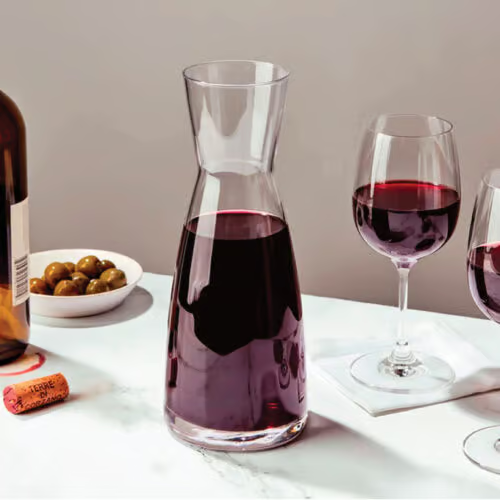
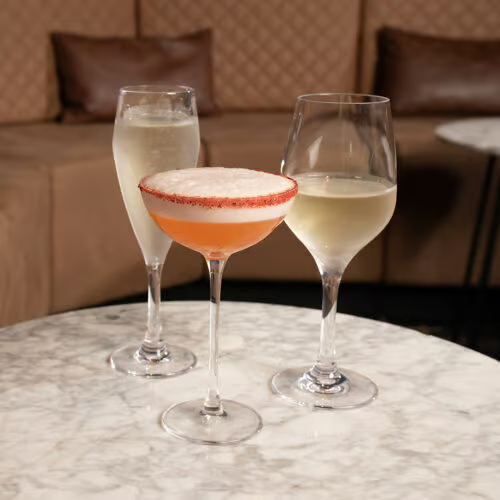
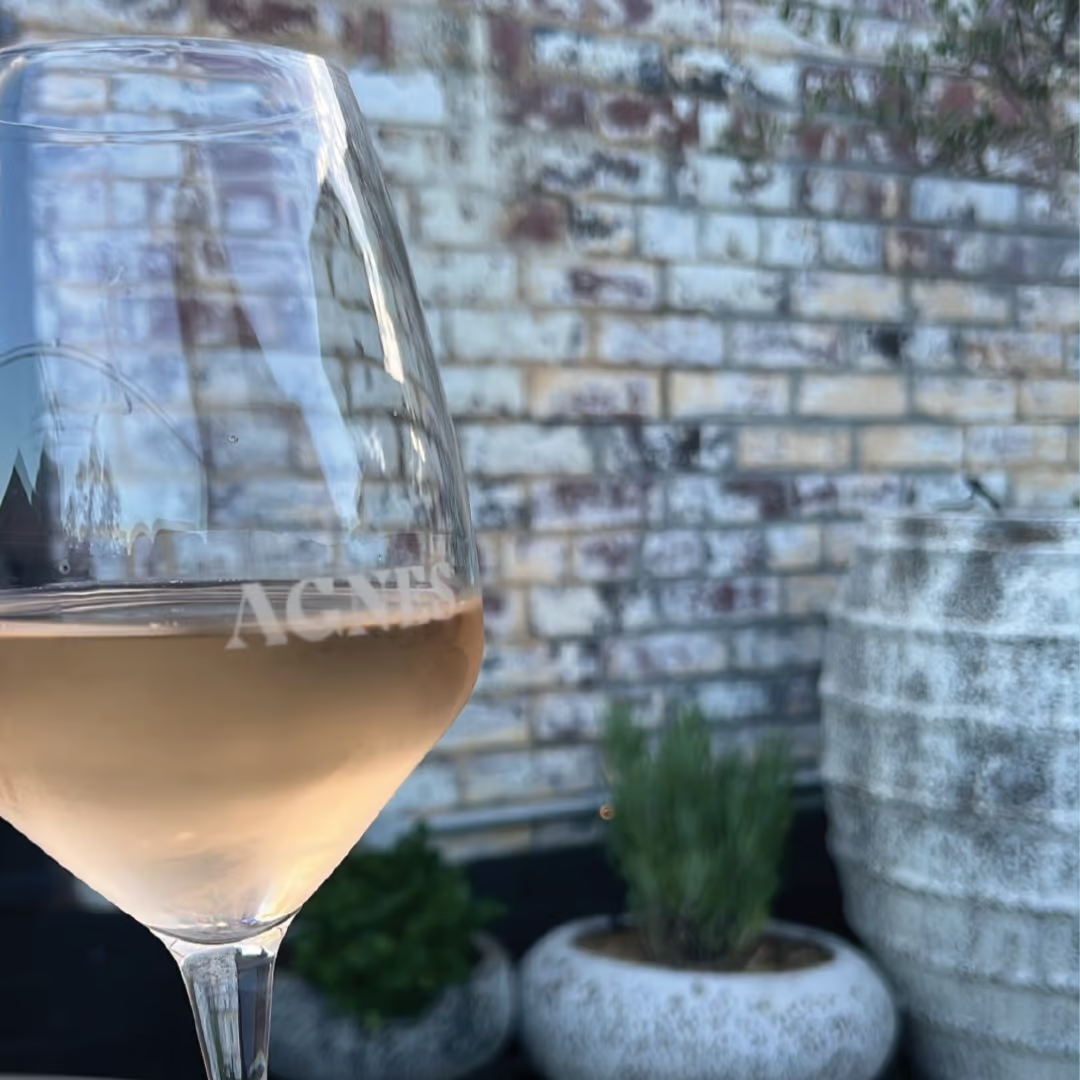
Wine glasses: Fine-dining venues and wine bars more often favour etching — the permanence and premium feel suits the positioning. For casual restaurants, pad printing is cost-effective.
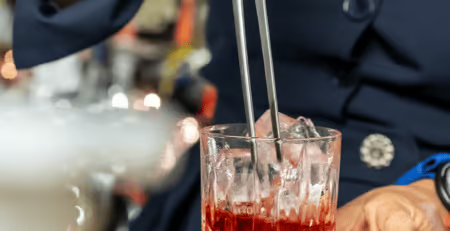
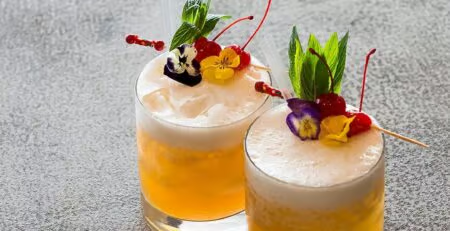
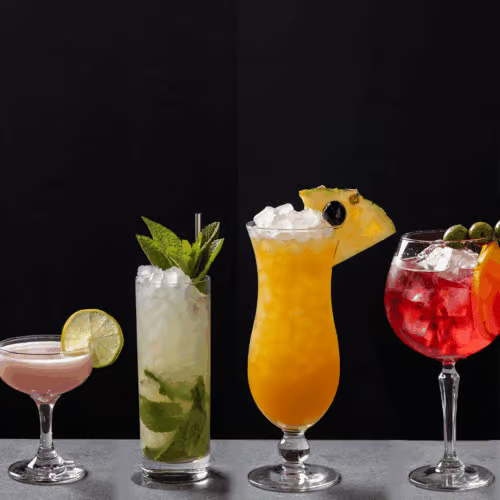
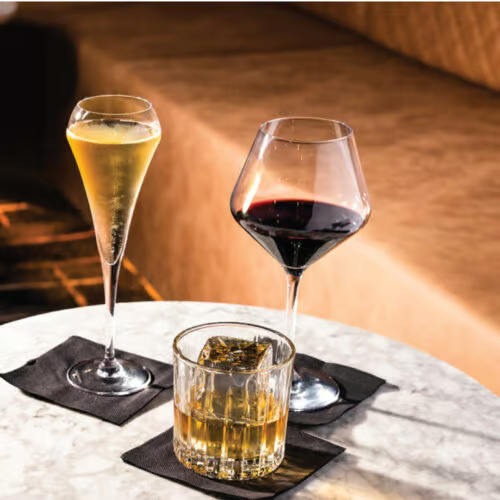
Cocktail glasses: Cocktail bars tend to prefer etching or restrained pad-printed designs that complement the visual presentation of the drink.
High-Volume Considerations
For venues buying glassware in large quantities — clubs, hotels, function centres — pad printing offers the lowest cost per unit and most flexible minimum order quantities. If your glassware turns over rapidly in a high-temperature commercial dishwasher multiple times per day, plan for more frequent replacement cycles when using pad-printed glasses, or specify UV-cured inks and confirm dishwasher-temperature ratings with your supplier.