

























































































































Commercial Kitchen Equipment for Schools & Boarding Houses: Buyer’s Guide
Teighan Graves2026-08-19T13:00:03+10:00Feeding hundreds of students three times a day — seven days a week, across multiple dietary requirements, under a fixed budget — is one of the most demanding food service operations in Australia. Yet school kitchens are frequently underequipped relative to the volume they produce.
What Makes School Catering Different
Volume without flexibility — breakfast must be on at 7:30am regardless of staffing or equipment issues
Dietary diversity — allergen management, vegetarian, vegan, and cultural menus are now standard
Operational hours — boarding kitchens run breakfast through dinner, seven days a week, 40+ weeks per year
Limited staffing — equipment must be reliable, fast, and easy to operate across shift handovers
Budget accountability — procurement requires documented value for money
Core Equipment
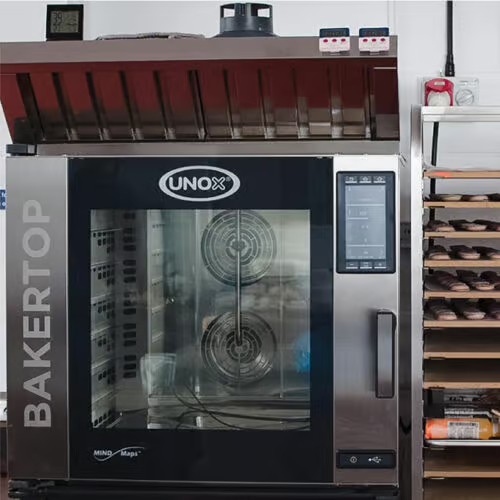
Combi OvensThe most versatile piece of equipment in a school kitchen. Replaces multiple appliances and allows overnight cooking cycles — product ready for early morning service without staff arriving before dawn. Specify capacity by GN tray count relative to your largest service.
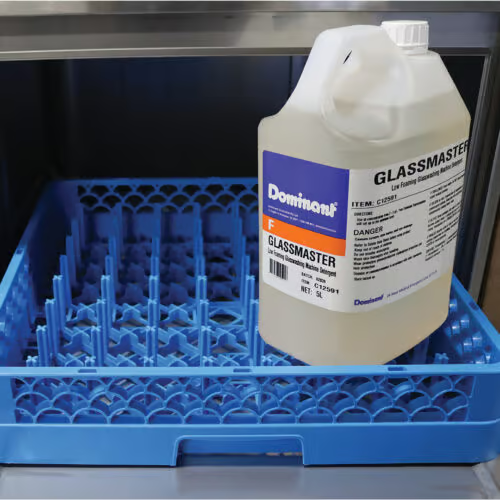
Commercial Dishwashers
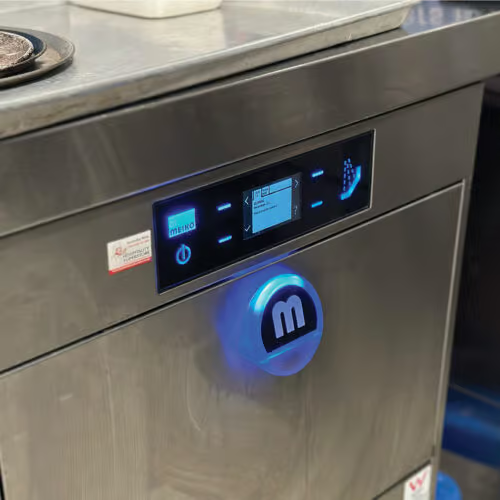
Under-counter — suitable for tuck shops and staff rooms
Hood-type (pass-through) — standard for 100–300 students
Conveyor — for 400+ covers requiring continuous throughput
Pair with an integrated water softener or scale prevention system — important in Southeast Queensland where hard water shortens element life.
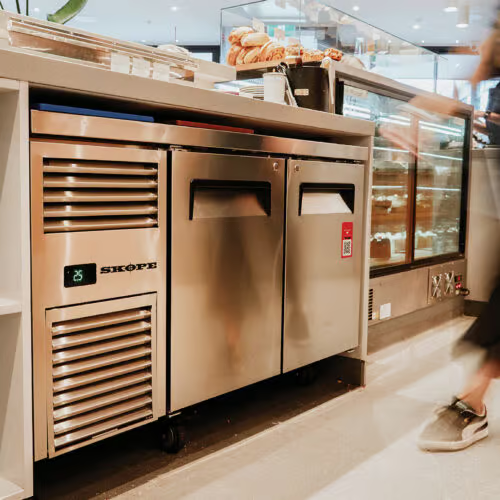
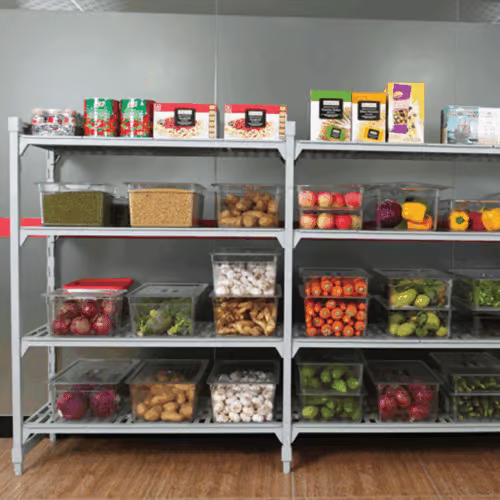
RefrigerationBoarding house kitchens need multiple zones — cool room for bulk produce, upright freezer for frozen stock, underbench units for daily working stock.
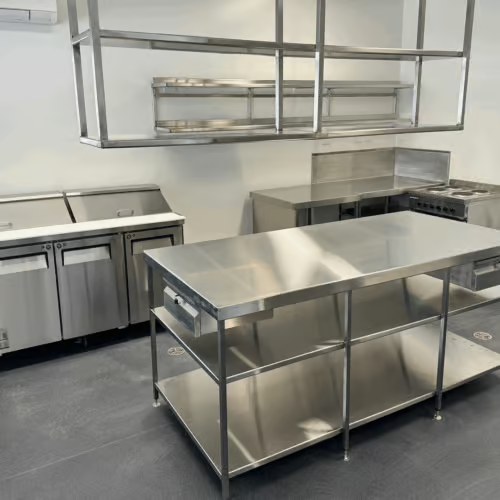
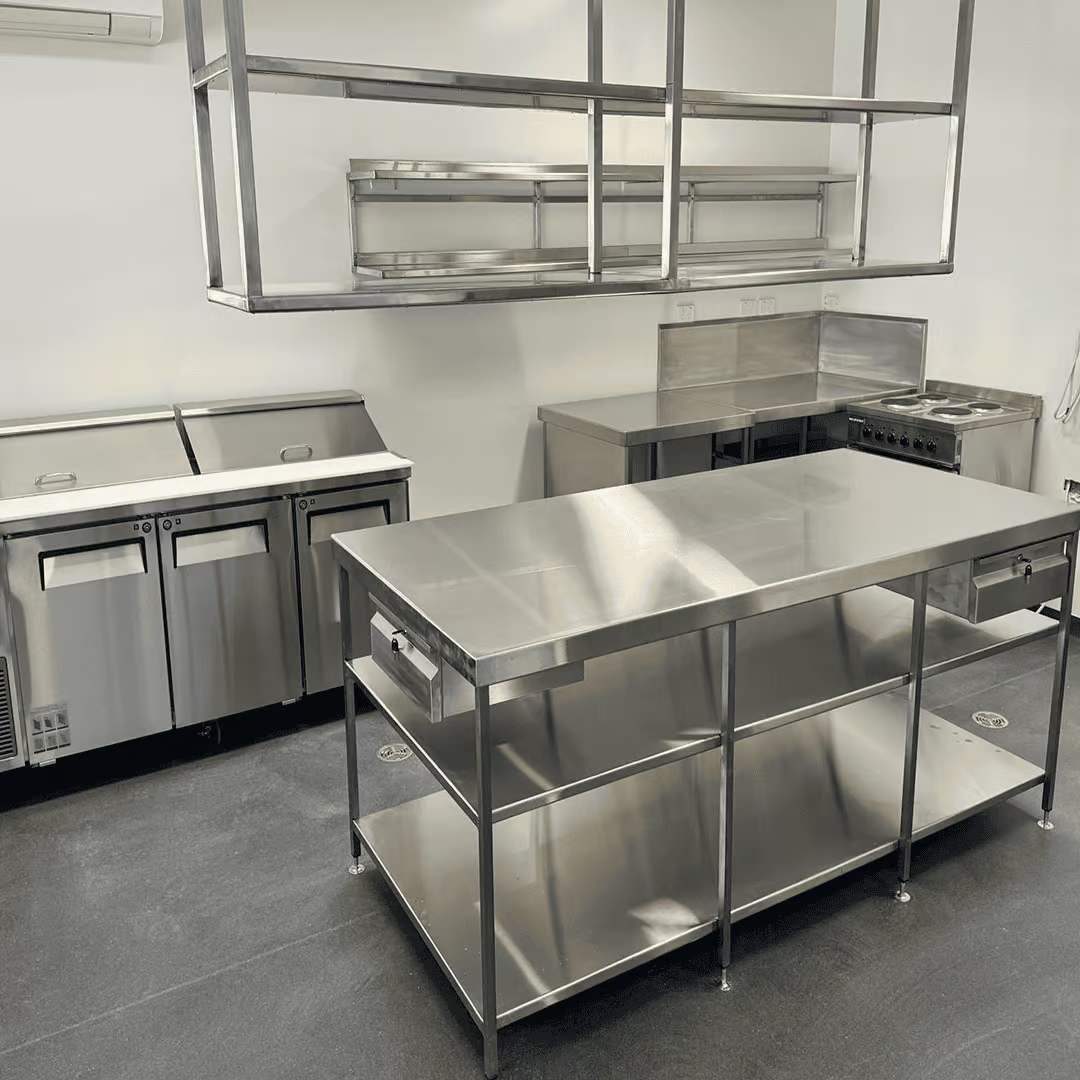
Stainless Steel BenchingSpecify 1.2mm or 1.5mm top thickness minimum. Lighter-gauge benching won’t survive the impact and cleaning chemical exposure of an institutional kitchen.
HACCP Compliance
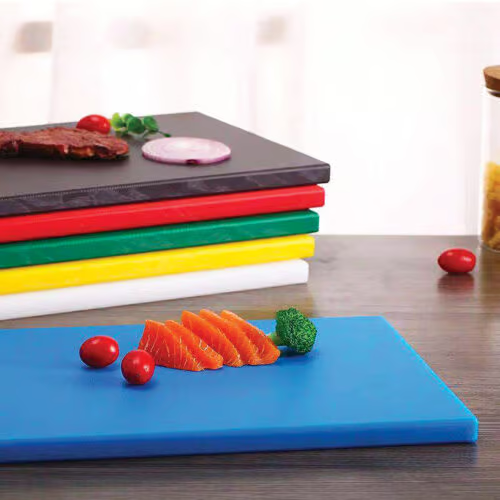
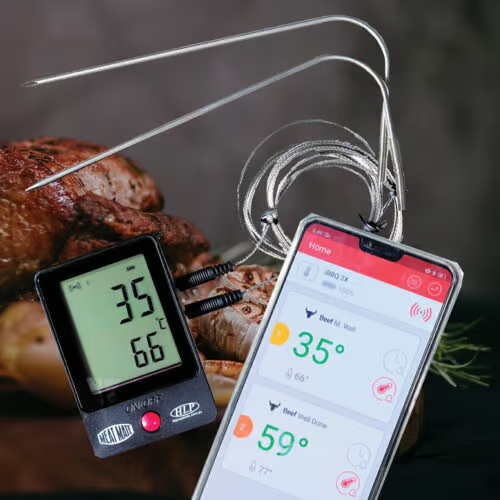
Queensland school kitchens must operate a documented food safety program under the Food Act 2006 and FSANZ Standard 3.2.1. Equipment must support temperature monitoring, allergen separation, and documented cleaning schedules.
Finance Options
Major equipment purchases can be spread across a structured repayment period through Hospitality Superstore’s equipment finance options — preserving cash flow for other operational priorities.
Contact the Hospitality Superstore team to discuss your school’s requirements, or visit the Brisbane showroom to compare models.