


















































30Jun
How to Keep Commercial Blenders & Juicers Food-Safe (AU Hygiene Guide)
-
Blenders
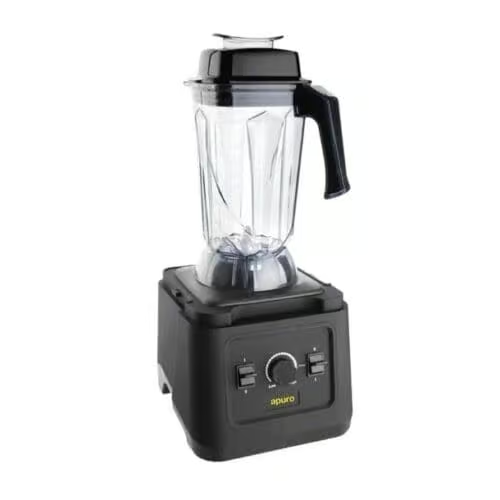
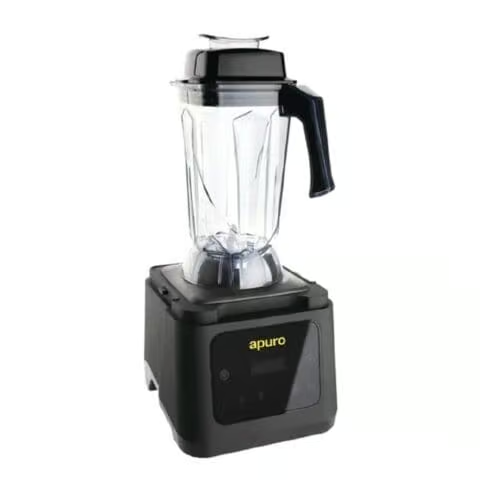
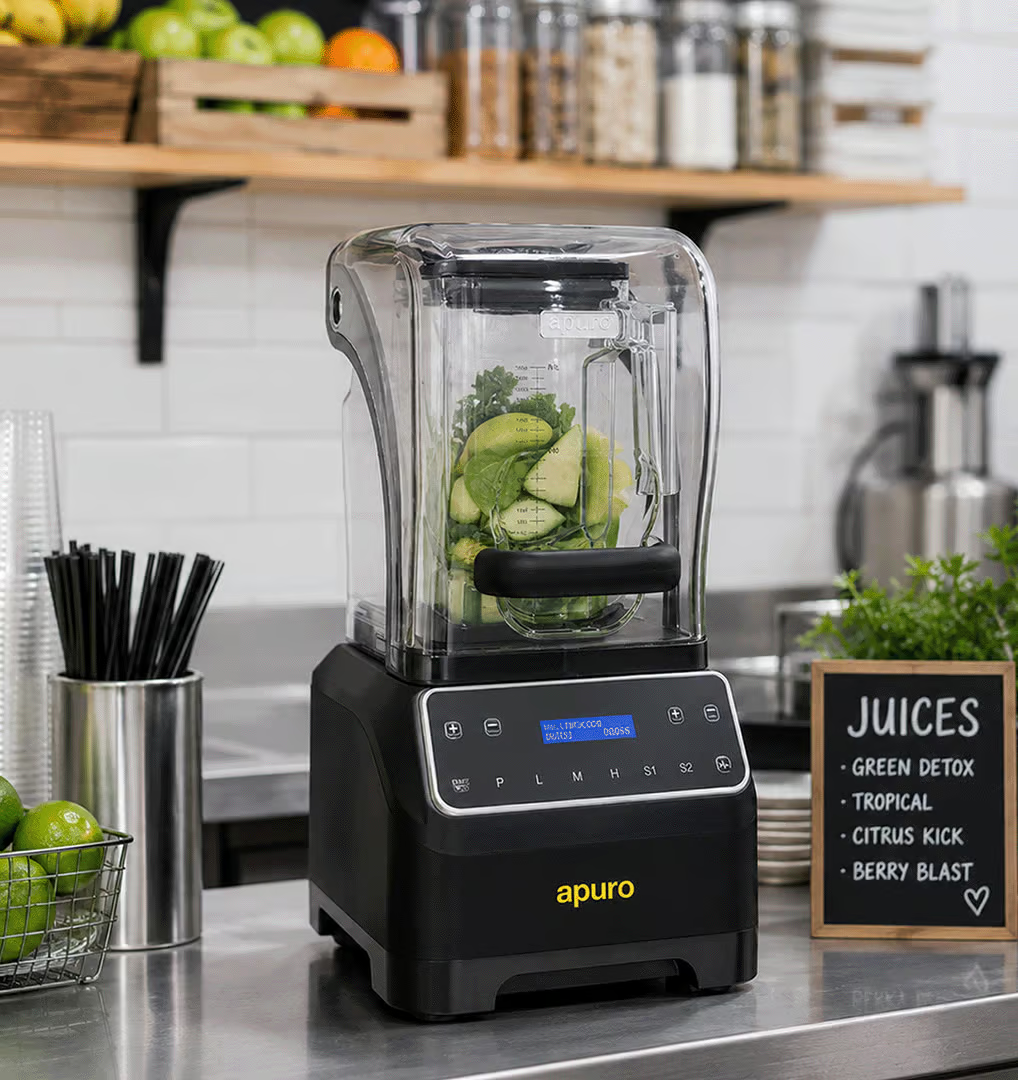
Apuro Bar Blender 2500ml with Jug 1.68kw 8amp
Original price was: $594.00.$419.00Current price is: $419.00. Ex. GSTUOM: Eachuntil 30/09/2026Product code: URCR836-AIn stock -
Benchtop Equipment, Blender Accessories, Blenders
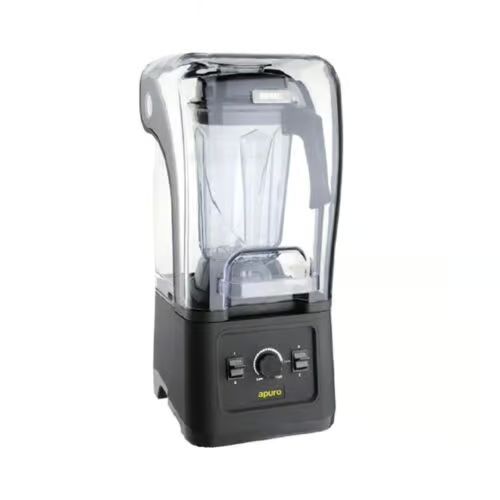
Apuro Blender 2500ml with Sound Enclosure 1.68kw 8amp
Original price was: $668.00.$474.00Current price is: $474.00. Ex. GSTUOM: Eachuntil 30/09/2026Product code: URDR825-AIn stock -
 Blenders
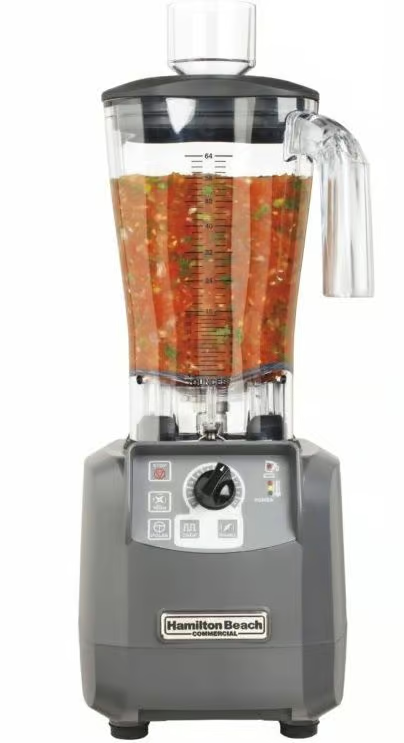
HAMILTON BEACH Tempest Food Blender BBF0600 (HBF600-AU)
$1,292.00 Ex. GSTUOM: EachProduct code: ICEBBF0600#In stock -
Blenders
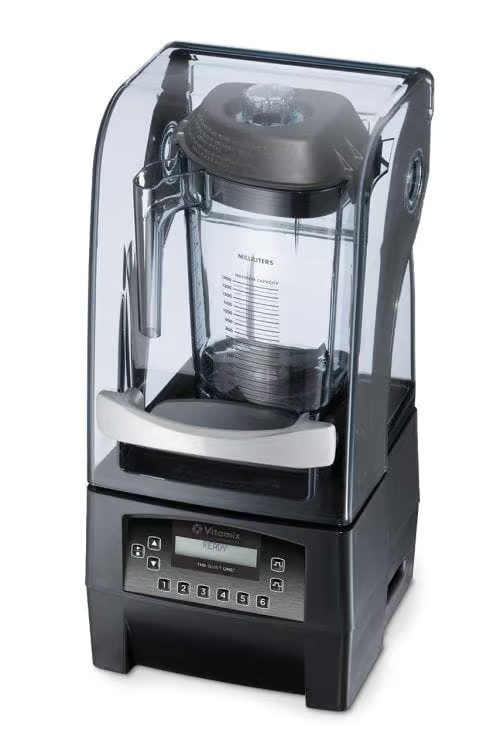
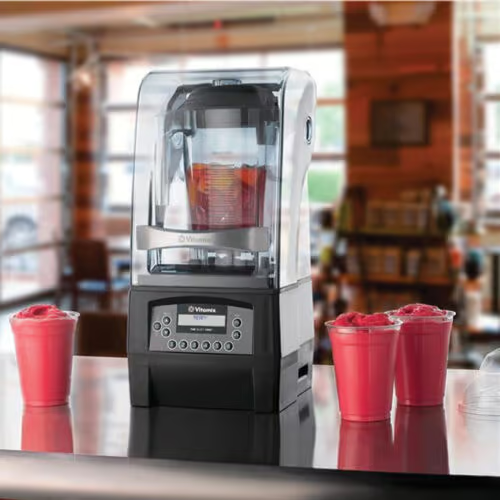
VITAMIX The Quiet One Blender – On Counter VM50031
Original price was: $3,092.00.$2,725.00Current price is: $2,725.00. Ex. GSTUOM: Eachuntil 30/09/2026Product code: SKVIT-050031In stock -
 Blenders, Cutter Mixers
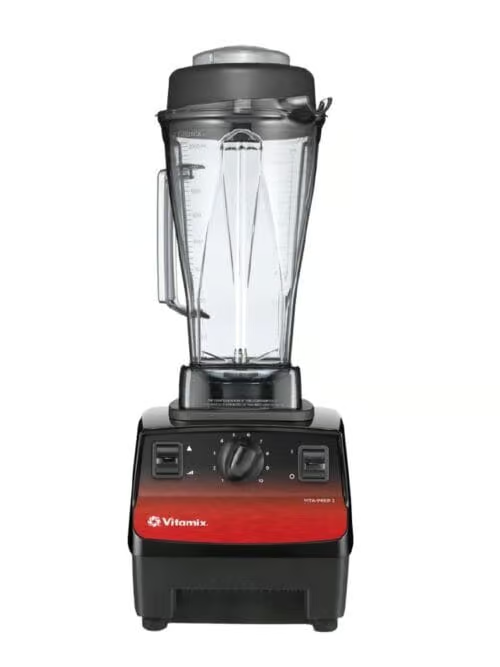
VITAMIX Vitaprep 3 Culinary Blender VM10089
$1,560.00 Ex. GSTUOM: EachProduct code: SKVIT-010089In stock -
Blenders
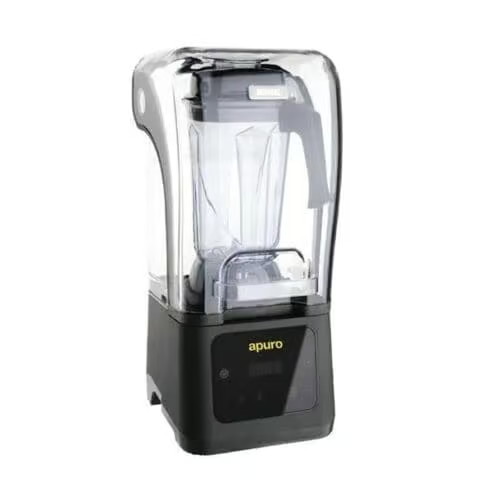
Apuro Blender 2500ml with Sound Enclosure & Touch Control 1.68kw 8amp
Original price was: $792.00.$524.00Current price is: $524.00. Ex. GSTUOM: Eachuntil 30/09/2026Product code: URCY141-A# -
Blenders
Apuro Blender 2500ml with Touch Control 1.68kw 8amp
Original price was: $629.00.$449.00Current price is: $449.00. Ex. GSTUOM: Eachuntil 30/09/2026Product code: URCY140-A# -
Blenders
Apuro Blender 2500ml with Touch Control 1.68kw 8amp
Original price was: $792.00.$559.00Current price is: $559.00. Ex. GSTUOM: Eachuntil 30/09/2026Product code: URHX583-A -
 Blenders
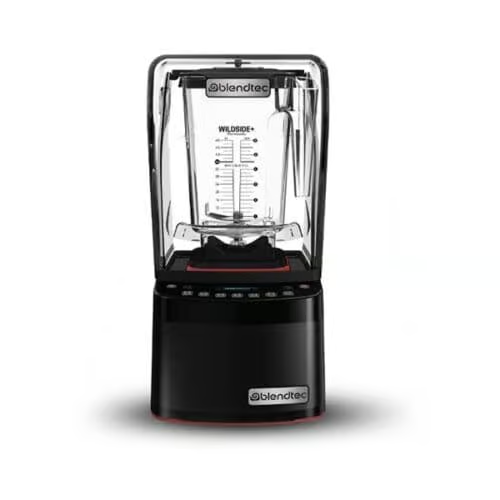
Blendtec Blender “Stealth 885”, 10 amps, 220v (Jug Not Included)
$2,468.00 Ex. GSTUOM: EachProduct code: NFB-S885.OC.NJ -
 Blenders
Blendtec Blender “Stealth 885”, 10 amps, 220v w / Ultrajar & Lid
$2,468.00 Ex. GSTUOM: EachProduct code: NFB-S885.1UL# -
 Blenders
Blendtec Blender Connoisseur 825, Sound Enclosure w/ Ultrajar & Lid
$2,331.00 Ex. GSTUOM: EachProduct code: NFB-C825.1UL# -
 Blenders
Connoisseur Space Saver with 2x FourSide Jug & Vented Lids
$1,768.00 Ex. GSTUOM: EachProduct code: NFB-C825.SS.2FV#