


















































Which Cleaning Chemicals Does a Commercial Kitchen Need?
Kitty Nicol2026-08-19T12:56:17+10:00Cleaning Chemicals and Food Safety Compliance
Under the Food Standards Australia New Zealand (FSANZ) Food Safety Standards — specifically Standard 3.2.2 — food premises must be maintained in a clean and sanitary condition with documented cleaning and sanitising procedures. In Queensland, under the Food Act 2006, a written cleaning schedule is a compliance requirement, not optional.
Selecting the right chemicals — matched to the surface, zone, and soil type — is the foundation of a compliant cleaning programme.
The 10 Essential Cleaning Chemical Categories
1. Degreasers: Formulated to break down animal fats, cooking oils, and carbon build-up from cooking equipment, range tops, fryers, and exhaust hoods. Use alkaline degreasers daily on cooking surfaces and weekly for deep hood cleaning.
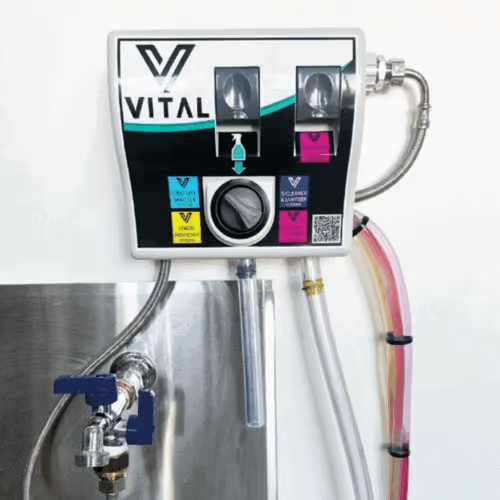
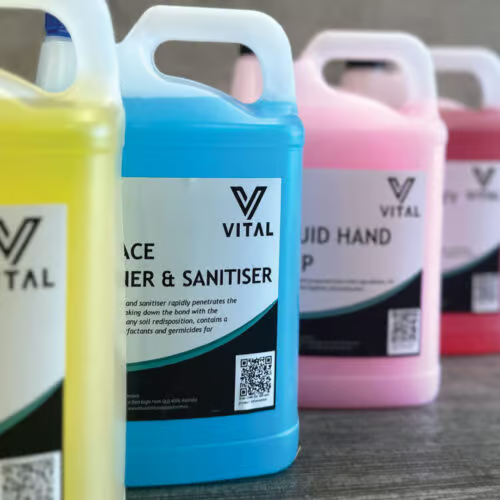
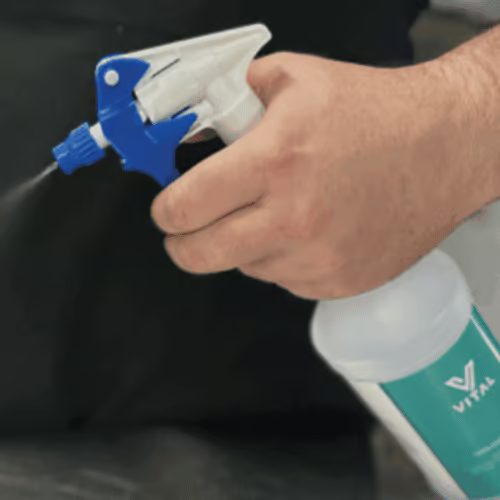
2. Food-Safe Sanitisers and Disinfectants: Sanitising reduces microbial load to safe levels. Under FSANZ Standard 3.2.3, food contact surfaces must be sanitised after cleaning. Quaternary ammonium (quat-based) sanitisers and chlorine-based products are both widely used. Always follow manufacturer dilution rates.
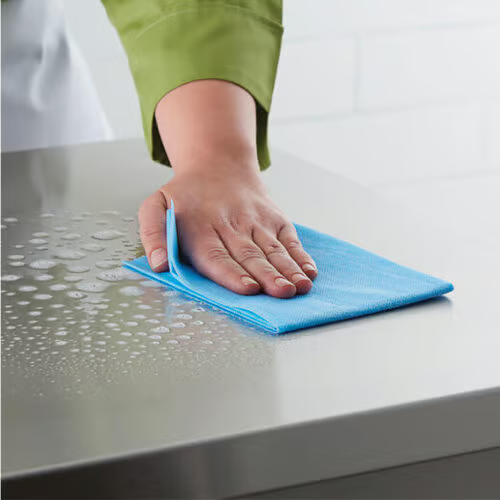
3. All-Purpose Surface Cleaners: For routine cleaning of non-greasy surfaces — prep benches, shelving, walls, and general work surfaces. Choose a food-safe formulation that does not require rinsing when used on food contact surfaces.
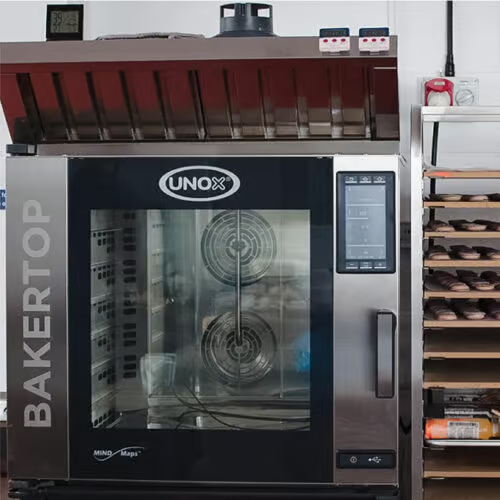
4. Oven and Grill Cleaners: High-alkaline or caustic formulations to dissolve baked-on carbon and grease. These are not food-safe at full strength and must be thoroughly rinsed before the oven returns to service.
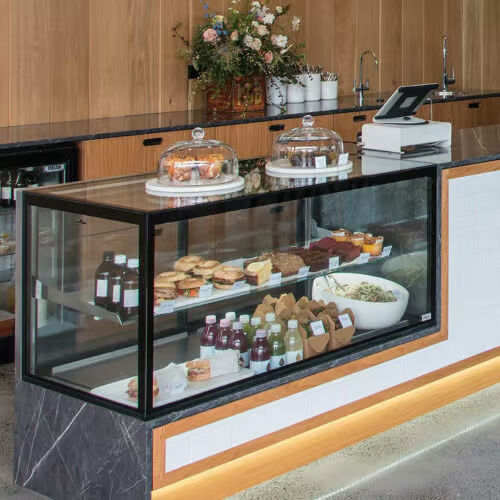
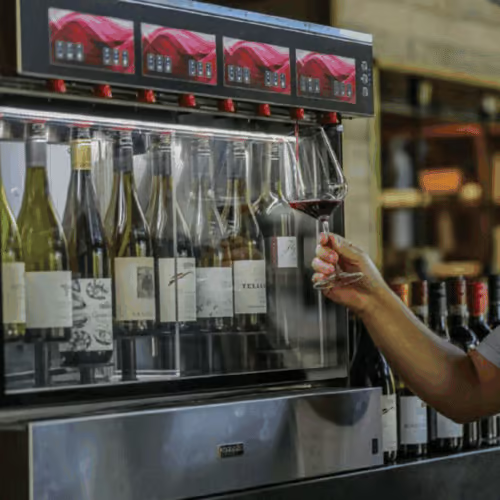
5. Glass Cleaners: For windows, display cases, and front-of-house glass surfaces. In hospitality, this includes pass-through windows, display fridges, sneeze guards, and beverage dispensers.
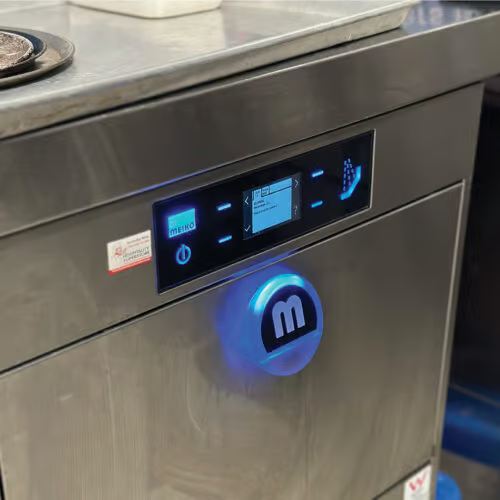
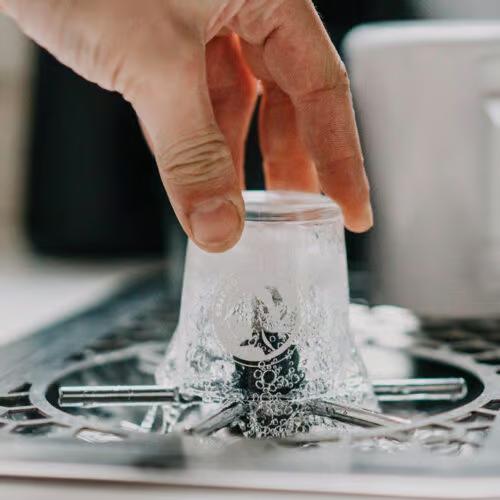
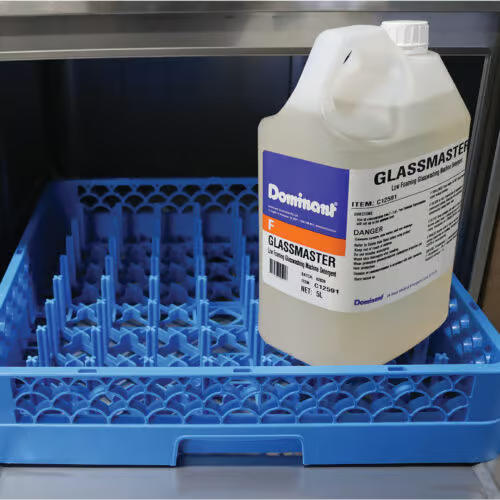
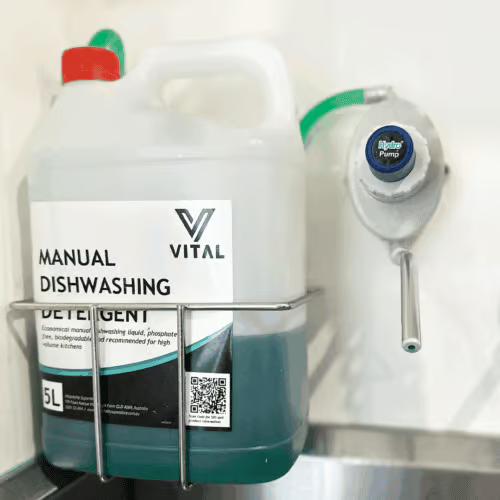
6. Commercial Dishwashing Detergents: Formulated to work at high temperatures under the mechanical pressure of commercial wash cycles. Using domestic detergents in a commercial machine reduces wash efficacy.
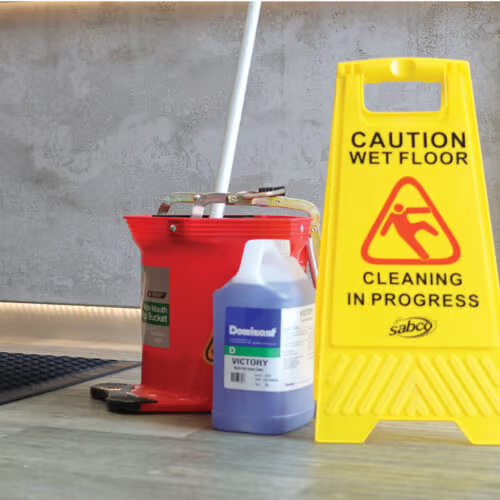
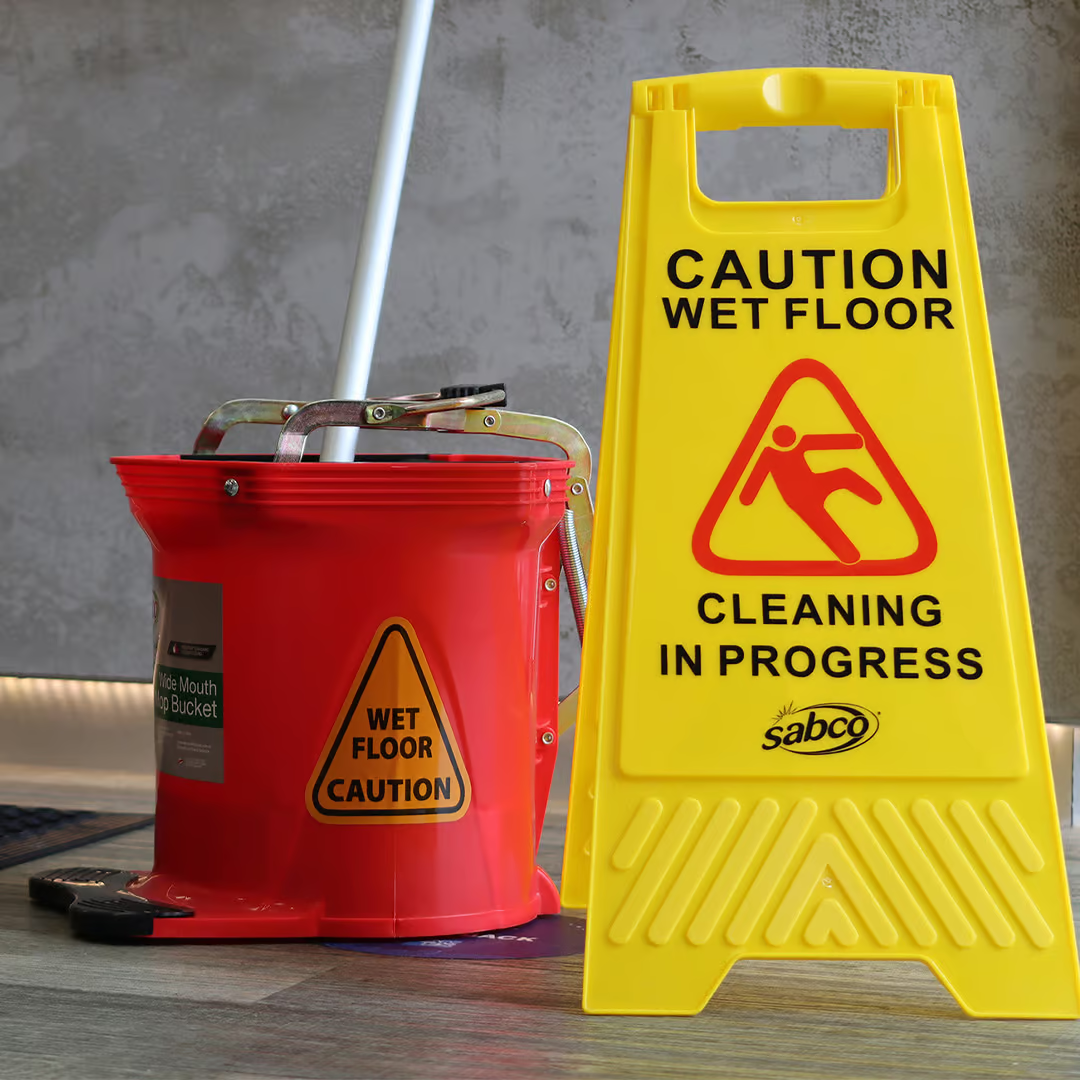
7. Floor Cleaners and Degreasers: Kitchen floors accumulate grease that creates a serious slip hazard. Use a high-alkaline floor degreaser on quarry tile, non-slip vinyl, and sealed concrete surfaces.
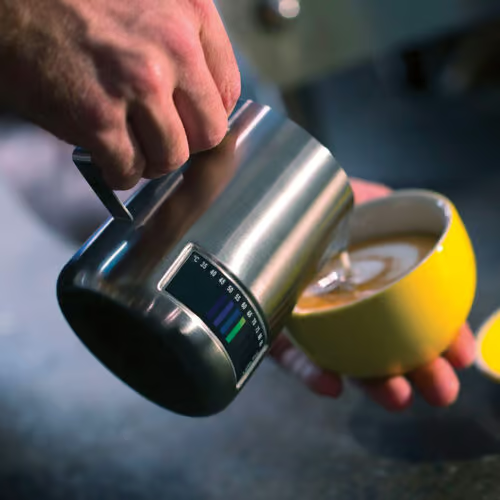
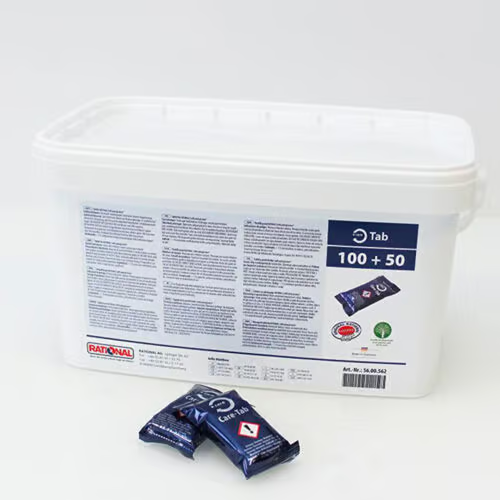
8. Descalers: Limescale build-up in commercial coffee machines, dishwashers, combi ovens, and steamers reduces efficiency and shortens equipment life. Commercial descalers use citric or phosphoric acid. In Brisbane and areas with moderately hard water, descale monthly or more frequently.
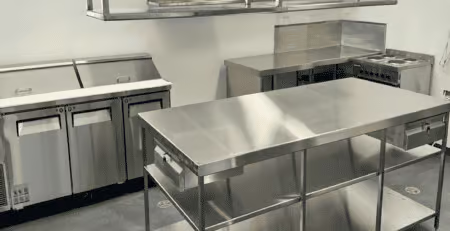
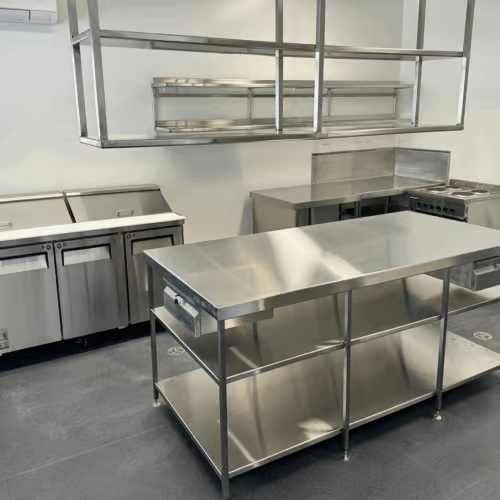
9. Stainless Steel Cleaners and Polishes: Food-safe stainless steel cleaners restore appearance and remove surface contaminants that harbour bacteria in micro-scratches.
10. Rinse Aids: Dispensed automatically in commercial dishwashers to reduce water surface tension, improve drainage, and prevent spotting and film on crockery and glassware.
Building Your Commercial Kitchen Cleaning Schedule
A HACCP-compliant cleaning schedule documents: what is cleaned, how it is cleaned, which product is used, dilution rate, frequency, and who is responsible. Organise by zone — cooking zone, prep zone, dishwash area, cool room, and front-of-house — and review whenever your menu, equipment, or chemical range changes.
Safe chemical storage is also a compliance requirement: chemicals must be stored separately from food, clearly labelled, and with Safety Data Sheets (SDS) accessible to all staff.